
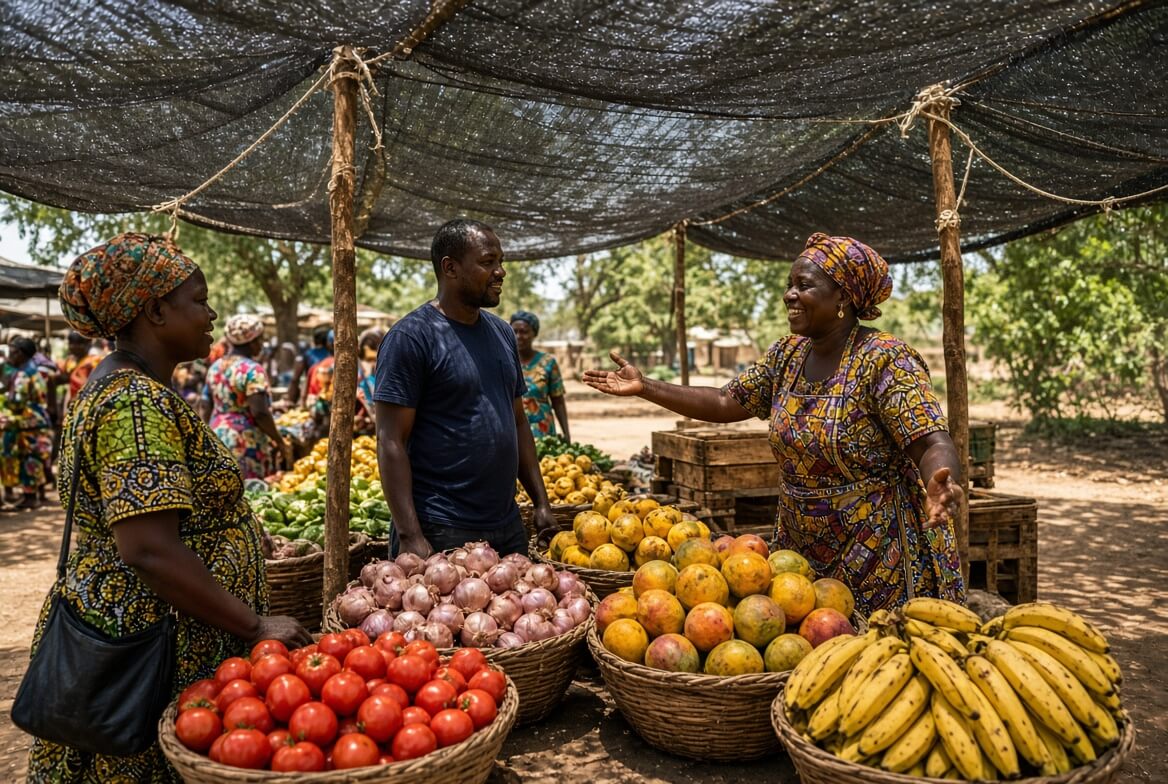
Large parts of Africa lie in tropical and subtropical zones. The Sahel, parts of the East African highlands, and inland southern Africa face persistently high temperatures and scarce rainfall. During the dry season, midday temperatures often exceed 40°C, and soil surface temperatures climb even higher. Soil moisture evaporates rapidly under intense sunlight. For smallholder farmers who rely on rain-fed agriculture, scorched seedlings, cracked soil, and wilted vegetables are recurring annual challenges. High temperatures not only inhibit crop growth but also directly reduce yields or cause total crop failure, threatening food security and household income.
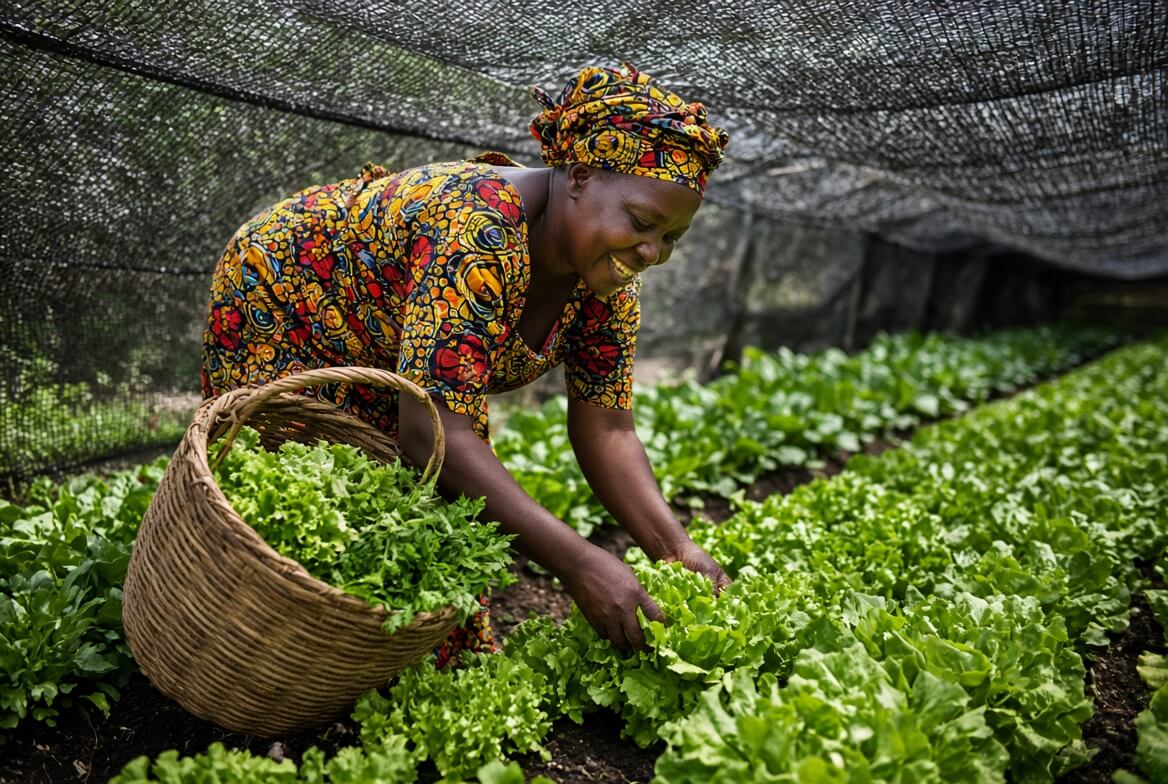
As a low-cost, easy-to-install agricultural covering material, shade nets are playing an increasingly important role in Africa's hot, arid regions. Their core function is to intercept part of solar radiation, reducing light intensity and surface temperature beneath the net. Studies show that proper use of shade nets can lower temperatures by 5–10°C compared with outside, while significantly reducing soil moisture evaporation. For vegetables such as lettuce, spinach, tomatoes, peppers, and okra, this shade means a more stable growing environment—leaves are no longer scorched, and roots are not damaged by heat and water loss. A shade net is like an umbrella over the field, blocking the harshest sun while keeping suitable temperature and humidity underneath.
In African farming practice, farmers choose shade nets with different shading rates based on crop type and local climate. Nets with 30–45% shading suit leafy vegetables and seedlings, providing soft light that prevents leggy growth. Nets with 50–60% shading suit tomatoes and peppers, cooling the air while ensuring sufficient light. Nets with 70–90% shading are used for protecting seedlings during extreme heat and for shade-loving crops.
This flexibility allows shade nets to work across different regions and seasons. In the Sahel, where hot dry winds blow, nets are installed lower and secured firmly. In the East African highlands, strong sunlight and large day-night temperature differences make shade nets combined with drip irrigation a common practice. In southern Africa, where dry seasons are long, covering vegetable beds with shade nets has become routine.
Shade nets alone are not enough. What truly enables African farmers to grow vegetables during the dry season is the combination of shade nets and drip irrigation. Shade nets reduce evaporation, while drip irrigation delivers water precisely. Together, they maximize the use of limited water resources. Under the net, black drip lines run along vegetable beds, releasing water slowly into the soil so crop roots receive a steady supply.
Farmers no longer need frequent flood irrigation, saving both water and labor. Data from many demonstration farms show that with shade nets and drip irrigation, vegetable survival rates and yields increase significantly, allowing stable supplies of fresh vegetables even in the dry season.
The role of shade nets in African agriculture is not limited to cultivation. In nurseries, they provide even, soft light for seedlings, improving propagation success. In markets, vendors use shade nets to build simple canopies, preserving the freshness of vegetables and fruits while offering customers a cool place to shop. Near livestock sheds, shade nets provide resting shade for goats and cattle, reducing heat stress. From planting to selling, from fields to courtyards, shade nets are integrating into every link of African agriculture with their low cost and multiple uses.
Facing the long-term challenge of heat and drought, African agriculture needs solutions that are practical, affordable, and easy to promote. Shade nets are exactly such a tool: they do not rely on complex technology or large investment, yet they effectively lower temperatures, retain moisture, and stabilize harvests. From a single vegetable plot to an entire dry season, from one farming family to regional agriculture, shade nets are becoming an important cooling solution for Africa's hot, arid farming regions.


Hello, I am the online customer service

